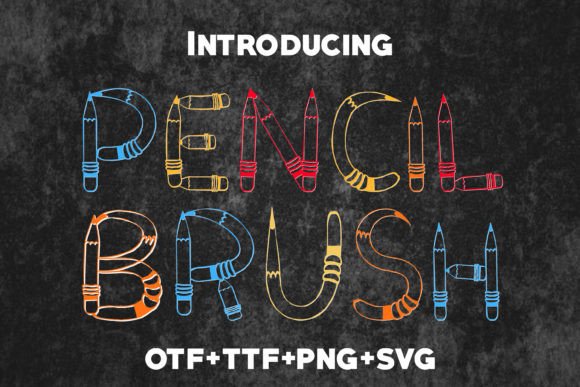
Why Pencil Brush is the Creative Font Your Projects Need
There’s a certain magic that happens when a design feels instantly approachable and full of personality. It’s that hand-drawn, slightly imperfect quality that catches the eye and makes a brand feel human. This is precisely the feeling a well-crafted display font can deliver, and it’s the reason why designers and entrepreneurs are constantly seeking typefaces that break the mold of standard corporate fonts. A great creative font doesn’t just hold words; it communicates mood, establishes tone, and connects with an audience on a more emotional level before they’ve even read a single line of copy.
Understanding the Pencil Brush Aesthetic
So, what exactly defines a font like Pencil Brush? Imagine the natural, textured stroke of a real pencil or a dry brush, translated into a digital typeface. This isn’t about sterile, perfectly uniform vectors. The beauty lies in its organic imperfections—the subtle variations in line weight, the slight roughness at the edges, and the fluid movement that feels authentically crafted. This style sits at the crossroads of a handwritten font and a brush script, offering the casual elegance of the former with the dynamic energy of the latter. It’s a modern typography choice that injects warmth and artistry into any project, making it feel less manufactured and more created.
The visual appeal is immediate. It carries a sense of craftsmanship and creativity, suggesting that a real person put thought and care into the design. This makes it an exceptional tool for projects where you want to stand out from the crowd of clean sans-serifs and traditional serifs. Whether you’re designing a logo for a boutique coffee shop, creating social media graphics for a lifestyle blogger, or laying out wedding invitations, this typeface adds a layer of charm and authenticity that is hard to replicate with more conventional options.
Practical Applications: From Branding to Social Feeds
The versatility of a textured display font like this is one of its greatest strengths. Let’s break down where it truly shines.
For Branding and Logo Design: Your logo is the cornerstone of your visual identity. Using a font with this kind of personality can instantly define your brand’s voice as friendly, creative, artisanal, or whimsical. It’s perfect for businesses in the creative space—think bakeries, florists, independent studios, craft breweries, or any brand that wants to emphasize a handmade, bespoke quality. It helps build immediate brand recognition because the typography itself is memorable.
Packaging and Print Materials: On a shelf or in a unboxing video, texture sells. Applying this font to product labels, shopping bags, or brochure headlines can make your physical marketing assets feel more tactile and premium. It draws the consumer in, promising an experience that’s personal and thoughtful. For editorial design, like magazine pull quotes or chapter titles, it creates beautiful visual breaks and focal points.
Digital Presence and Marketing: In the fast-scrolling world of web design and social media graphics, stopping power is everything. Use it for striking headlines on your website’s homepage, compelling call-to-action buttons, or as the primary type for Instagram story templates and Pinterest pins. It adds a burst of energy that static, system fonts often lack. For digital products like e-books or online course materials, it can make headers and key takeaways pop, improving the overall professional presentation and audience engagement.
Making It Work: Pairing and Practicality
A vibrant font is a powerful tool, but using it effectively requires a bit of strategy. The goal is to let its personality enhance your message, not overwhelm it. Here’s some practical advice for integrating it seamlessly.
Choose Your Context Wisely: This style excels as a headline, sub-headline, or for short bursts of impactful text. It’s generally not suited for long paragraphs of body copy, where its intricate details can reduce readability at smaller sizes. Think of it as your design’s accent piece—the statement jewelry that completes the outfit.
Master the Font Pairing: The key to visual harmony is contrast and balance. Pair your vibrant display font with a simple, clean companion. A neutral sans-serif font or a classic, highly readable serif font makes an excellent partner. For example, use Pencil Brush for your main headline and a font like Lato or Open Sans for the body text. This creates a clear hierarchy, ensures your message is easily digestible, and maintains a professional presentation. Always test your pairings at various sizes to see how they interact.
Review All Included Styles: A quality premium font package often includes more than one weight or style. Check if it comes with alternatives, ligatures, or multilingual support. These extras can provide valuable flexibility, allowing you to create subtle variations within the same typographic family for different applications—from a bold poster to a delicate invitation.
Licensing is Key for Commercial Use: If you’re using this for client work, merchandise, or any project where you’re generating revenue, you must ensure you have the correct commercial license. This is a non-negotiable step in professional design. It protects you legally and ensures you’re supporting the type designers who created the asset. Always read the license terms before finalizing a project.
Ultimately, choosing a font is about matching a visual tool to a specific goal. When your project calls for a dose of personality, energy, and a handmade touch, a typeface with the character of Pencil Brush is a formidable asset in your design toolkit. It’s more than just letters; it’s a way to tell a richer story and create designs that people genuinely connect with.