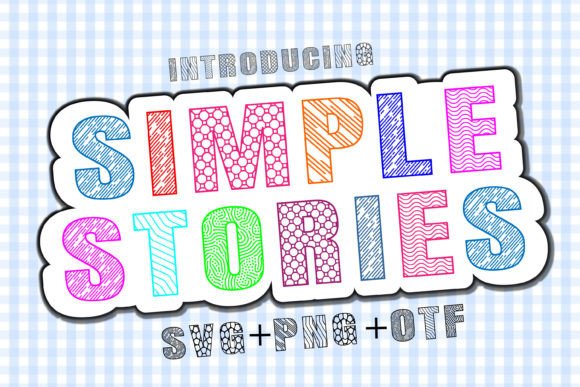
Simple Stories: A Vibrant Font for Creative Branding
Imagine a typeface that doesn't just sit on the page but practically dances across it, infusing your work with an immediate sense of warmth and personality. That's the feeling you get when you start working with the Simple Stories font. It’s more than just a collection of letters; it’s a design asset that carries a distinct mood—one of joy, approachability, and creative energy. For anyone building a brand, crafting marketing materials, or designing products, this kind of inherent character can be the secret ingredient that makes your work memorable and connects with your audience on an emotional level.
Understanding the Visual Heart of This Typeface
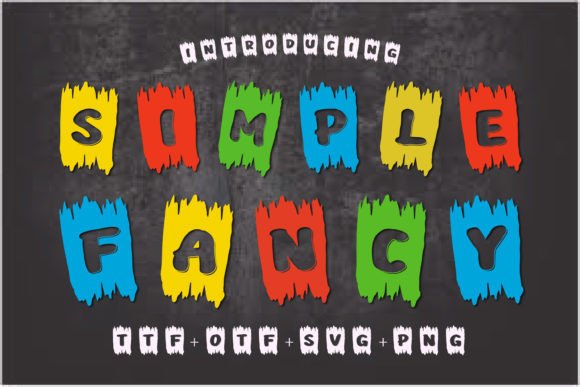
At its core, Simple Stories is a display font with a vibrant, modern personality. It often blends characteristics you might find in a friendly sans serif font with the playful flair of a handwritten font, creating a unique hybrid that feels both polished and personal. The letterforms are designed with smooth curves and a rhythmic flow, avoiding the rigidity of some traditional typefaces. This gives it a handcrafted quality that feels authentic, yet it maintains the clarity needed for professional use. The "color" aspect isn't about literal hues, but about the visual richness and depth it brings to a layout. It has a presence that can stand on its own or pair beautifully with cleaner, more neutral typefaces, offering a fantastic tool for creating visual hierarchy and interest in your designs.
What makes it particularly appealing is its versatility within a specific emotional range. It’s the kind of creative font you reach for when a project calls for a touch of whimsy, a dash of optimism, or a sense of heartfelt storytelling. Think about the last time a logo or a piece of packaging made you smile instantly—chances are, the typography played a significant role in that reaction. Simple Stories is engineered to create those kinds of positive, engaging moments.
Where This Font Truly Shines: Practical Applications
The real test of any premium font is how it performs in the wild. Simple Stories excels in scenarios where you need to grab attention and convey a specific, upbeat vibe. Let’s break down some of its most effective applications.
For Branding and Logo Design: If your brand identity is built around being friendly, creative, approachable, or joyful, this typeface can become a cornerstone of your visual language. It’s perfect for logotypes, especially for businesses in the lifestyle, craft, food, wellness, or children’s product spaces. The font itself tells a story before a customer even reads the words, helping to build instant brand recognition and emotional resonance. Pair it with a simple serif font or a clean sans serif font for body text to create a balanced and professional brand identity system.
In Packaging Design: On a shelf or in an online store, packaging has mere seconds to make an impression. Simple Stories can be used for product names or key descriptors to inject personality and stand out from competitors using more generic fonts. Imagine it on artisanal food labels, boutique skincare bottles, or creative craft kits—it immediately signals a product made with care and character.
Across Digital Platforms: Your social media graphics need to stop the scroll. Using this font for headlines in Instagram posts, Pinterest pins, or Facebook ads can significantly boost engagement. It adds a layer of visual interest that static images sometimes lack. For web design, it’s ideal for hero section headlines, call-to-action buttons, or section headers on a blog, guiding the visitor’s eye and reinforcing your site’s unique tone. On a blog, it can make article titles pop and encourage readers to dive into your content.
In Print and Invitations: The charm of Simple Stories is undeniable in tangible formats. It’s a natural fit for wedding invitations, greeting cards, and event posters where a personal, celebratory touch is desired. For editorial design in magazines or lookbooks, it can be used for pull quotes or feature titles to break up dense text and add a creative flair. Small business owners will also find it invaluable for creating cohesive marketing assets like flyers, thank-you cards, and promotional materials.
Integrating Simple Stories into Your Design Workflow
Adopting a new font into your toolkit is about more than just installation; it’s about understanding how to use it effectively. Here are some practical steps to get the most out of a typeface like Simple Stories.
First, review the included font styles. Most quality fonts come with a family—regular, bold, italic, and sometimes alternate characters or stylistic sets. Explore these options. The bold weight might be perfect for a powerful headline, while the regular weight could work for shorter subheadings. The alternates can offer unique letter combinations to customize your logo or monogram further.
Next, test font pairings rigorously. The goal is contrast and harmony. A vibrant, characterful font like Simple Stories works best when balanced with a more subdued, highly readable counterpart. Try pairing it with a geometric sans serif like Montserrat for a modern look, or a classic serif like Lora for a touch of elegance. Avoid pairing it with another highly decorative font, as this can create visual chaos. Use the display font for impact and the simpler font for clarity in longer text blocks.
Always consider readability. While Simple Stories is designed for clarity at display sizes, it’s not intended for long paragraphs of body copy. Use it strategically for headlines, logos, and short phrases where its personality can shine without compromising the reader’s ability to easily consume information. Test it at various sizes and on different backgrounds to ensure it remains legible.
Finally, match the typography to your project’s core goal. Ask yourself: What emotion do I want to evoke? Who is my target audience? If the project is a formal annual report, this font might not be the right choice. But if it’s a launch campaign for a new line of organic baby products, a creative workshop, or a community event, it could be the perfect fit. The font should serve the message, not overpower it.
A Thoughtful Addition to Your Creative Arsenal
Choosing a commercial font is an investment. Beyond the aesthetic appeal, it’s wise to understand the licensing. Ensure the license covers your intended use—whether for a client project, merchandise for sale, or digital products. A reputable font provider will make these terms clear. Think of it as a design asset that grows with you, adaptable to a range of projects over time.
Ultimately, the value of a font like Simple Stories lies in its ability to communicate a feeling swiftly and effectively. It’s a tool for visual consistency across your brand, helping to build recognition every time a customer encounters your materials. It enhances professional presentation by showing thoughtful attention to detail, and it boosts audience engagement by creating designs that feel alive and relatable. Whether you’re a seasoned designer looking to refresh your toolkit, a small business owner crafting your first identity, or a content creator aiming to elevate your visuals, exploring a vibrant, story-driven typeface can open up new possibilities for connection and creativity in your work.