Toy Robot: A Typeface with Character and Color
There’s something undeniably joyful about a toy robot. It’s a symbol of playful imagination, retro-futurism, and childhood wonder. Capturing that spirit in a typeface is no small feat, yet the Toy Robot font does it with remarkable charm. This is more than just a set of letters; it’s a design toolkit built for projects that need to speak with a fun, friendly, and energetic voice. For anyone looking to inject personality into their work—whether it’s a birthday invitation, a new product line, or a social media campaign—understanding this typeface opens up a world of creative possibilities.
A Typeface with a Playful, Mechanical Heart
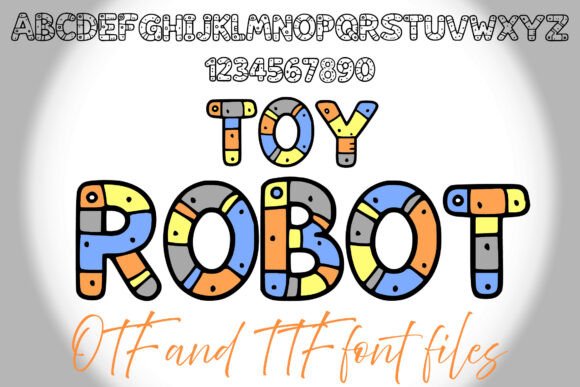
What immediately sets the Toy Robot typeface apart is its visual personality. It’s a bold, bubbly display font designed to mimic the rounded edges, joints, and segmented parts of classic toy robots. Each letterform feels like it could be an assembled component, giving your text a tangible, three-dimensional quality. The design often incorporates vivid color palettes directly into its style, or pairs exceptionally well with bright hues, making it a standout choice for projects aimed at children, families, or anyone with a youthful mindset.
This isn’t a font for dense body copy. Its strength lies in headlines, logos, and short, impactful text where its unique character can shine. Think of it as a premium font that prioritizes personality over subtlety. The careful attention to detail in its curves and connections ensures it remains legible and engaging, even at smaller sizes, which is a common challenge with highly stylized display fonts.
Practical Applications: Where Does Toy Robot Fit Best?
The true value of any design asset is measured by its utility. Toy Robot’s cheerful, mechanical aesthetic makes it surprisingly versatile across a range of commercial and creative projects. Its core strength is in branding and packaging design, especially for products targeting children or families. Imagine this font on toy boxes, kids’ snack packaging, or the branding for a family-friendly entertainment center. It instantly communicates fun and safety.
Beyond packaging, its applications are wide-ranging:
- Logo Design & Brand Identity: Perfect for businesses in the toy, gaming, education, or children’s entertainment sectors. It helps build immediate brand recognition through a distinct and memorable visual signature.
- Invitations & Event Materials: Birthday parties, school events, or community fairs benefit from its welcoming and festive look. It sets the tone for a fun experience before the event even begins.
- Social Media Graphics & Digital Marketing: In a crowded feed, its bold structure and potential for color make posts and ads pop. It’s excellent for creating engaging headers, quotes, or promotional graphics for platforms like Instagram and Facebook.
- Editorial & Web Design: Use it sparingly in editorial design or web design for chapter titles, pull quotes, or hero section headlines on blogs and websites that cover topics like parenting, DIY crafts, or toy reviews. It adds a burst of personality without overwhelming the page.
- Merchandise & Print Materials: From T-shirts and mugs to posters and stickers, this font translates well to physical goods. Its clear, bold lines ensure it prints crisply on various materials.
Strategic Use: Pairing and Professional Presentation
Using a powerful creative font like Toy Robot effectively requires some strategic thinking. The goal is to harness its energy without letting it dominate the entire design. This is where font pairing becomes critical. Toy Robot works best when balanced with a clean, simple companion font.
A neutral sans serif font is often the ideal partner. Think of something like Open Sans, Lato, or Montserrat for body text, subheadings, or supporting information. This creates a clear hierarchy: Toy Robot grabs attention for the main message, while the sans serif ensures readability for longer passages. This pairing directly improves professional presentation and visual consistency across a project, whether it’s a multi-page website or a series of printed flyers.
Always test your pairings in context. Mock up a social media post, a packaging label, or a webpage header. Does the Toy Robot font feel overwhelming, or does it energize the layout? Does the supporting font complement it or clash? This testing phase is non-negotiable for achieving a polished result.
Key Considerations Before You Dive In
Before integrating Toy Robot into your workflow, a few practical checks are necessary. First, review the full font family. Many premium fonts include multiple styles—regular, bold, italic, or even alternate character sets. Understanding what’s included helps you plan your designs and maintain consistency.
Second, pay close attention to licensing. For any commercial project—whether it’s a client’s logo, a product you sell, or a marketing campaign—you must ensure you have the correct commercial font license. This protects you legally and supports the font creators who designed this useful asset.
Finally, consider your audience and project goals. Is the playful, mechanical vibe of Toy Robot the right fit for your brand’s voice? For a children’s educational app, it’s a perfect match. For a serious financial institution, it likely isn’t. Aligning typography with your brand’s personality is a cornerstone of effective visual communication. If the goal is to appear approachable, innovative, and fun, then this typeface is a strong contender to help you achieve that.
In the end, Toy Robot is more than just a font; it’s a mood-setter. It brings a specific, delightful energy to the table. By applying it thoughtfully—pairing it wisely, using it in the right contexts, and respecting its licensing—you can leverage its unique character to create designs that are not only visually appealing but also strategically effective in connecting with your audience.