Doggy Style: A Playful Typeface for Pet-Loving Brands
Every designer has faced that moment of creative block, searching for a typeface that conveys warmth, whimsy, and personality. Standard serif and sans serif fonts are reliable workhorses, but sometimes a project calls for something with a specific vibe—something that says "friendly," "approachable," and "fun" without needing a single word of copy. This is where a carefully crafted display font becomes an invaluable asset in your design toolkit.
Understanding the Font's Unique Personality
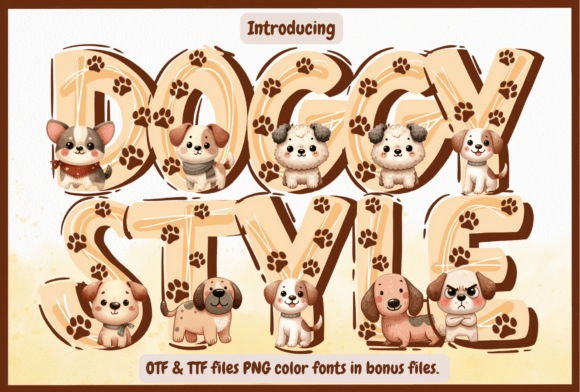
Doggy Style is a premium font designed to inject instant charm into any creative project. Its visual identity is built around adorable, puppy-themed letterforms, where each character is subtly adorned with playful paw print details. This isn't just a standard script font or handwritten font with a cute name; its entire structure is intentionally crafted to evoke a sense of joy and affection. The strokes are rounded and soft, avoiding sharp edges to create a friendly and approachable aesthetic. This makes it an excellent choice for projects targeting audiences who appreciate lighthearted, heartwarming design, from pet owners and families to children and animal enthusiasts.
Practical Applications Across Creative Fields
The true value of a creative font like this lies in its versatility. For a small business owner launching a pet bakery, grooming service, or boutique, this typeface can form the cornerstone of a memorable brand identity. Imagine it on a logo, business cards, or a storefront sign—it immediately communicates the business's focus and personality. Packaging design for pet treats, toys, or accessories benefits enormously, as the font helps products stand out on crowded shelves and resonates emotionally with shoppers.
Beyond branding, its applications are extensive:
- Social Media Graphics: Create eye-catching Instagram stories, Facebook posts, or Pinterest pins that stop the scroll. Its playful nature is perfect for announcements, quotes, or promotional banners.
- Digital & Print Marketing: Use it for flyers, posters, and email headers for veterinary clinics, animal shelters, or pet adoption events. It adds a layer of approachability that standard marketing fonts often lack.
- Editorial & Web Design: While not suited for body text, it can make brilliant headlines or pull quotes in blog posts, magazine articles, or website banners focused on pets, lifestyle, or family content.
- Merchandise & Invitations: Design unique t-shirts, mugs, or tote bags for pet lovers. It's also perfect for birthday party invitations, pet birthday cards, or "welcome home" banners for a new puppy.
Integrating Playful Typography into Professional Projects
Using a display font effectively requires a strategic approach to maintain professionalism and readability. The key is to use it as an accent, not a workhorse. Pair Doggy Style with a clean, neutral sans serif font like Montserrat, Open Sans, or Lato for body text and supporting information. This contrast creates visual hierarchy and ensures your message remains clear while the headline carries the emotional weight. For example, a pet product label might use the playful font for the product name and a simple sans serif for ingredients and instructions.
Always consider the context and audience. While perfect for a children's book cover, a pet shop website, or a social media campaign for a dog walker, it would be inappropriate for a law firm's annual report. Testing font pairings and reviewing how the letters interact at different sizes is a crucial step. The included files offer flexibility: the OTF and TTF files are standard for most design software, while the bonus PNG color font files allow for quick use in projects that support color fonts, adding another layer of vibrancy without extra design work.
Key Considerations for Commercial Use
When selecting any font for a commercial project, licensing is a critical factor. A font categorized as a "commercial font" typically means its license permits use in projects intended for sale, client work, and business branding. This is different from fonts licensed only for personal use. Before finalizing any design for a client or product, always verify the specific terms of the font's license to ensure it covers your intended use, whether for digital products, printed merchandise, or marketing assets. Understanding this upfront protects your work and your client's investment.
Finding the right typeface is about matching visual language to emotional intent. A font like Doggy Style solves a specific communication challenge: how to visually articulate playfulness, care, and affection. It’s a tool for designers and creators who want to build a stronger connection with their audience through thoughtful, character-driven typography. By applying it judiciously and pairing it wisely, you can transform a standard design into something that feels personal, engaging, and distinctly memorable.