Endless Texture: Unlocking Visual Depth with Seamless Patterns
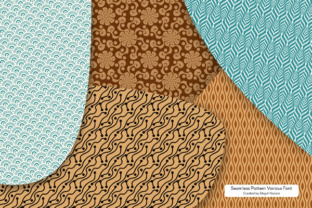
Every designer, brand strategist, and content creator eventually hits a creative wall where standard photography or flat color blocks just don't cut it. You need visual depth, texture, and a distinct personality to make a project stand out, but creating intricate graphics from scratch is time-consuming and expensive. This is where the power of a specialized typeface comes into play. Imagine being able to generate complex, repeating textures simply by typing on your keyboard. This stunning dingbat font created by Situjuh Nazara contains 63 unique seamless patterns. You can just type text like you normally would and create a unique seamless pattern, for example: These patterns can be repeated over and over again and are conveniently wrapped up in one stunning font. You can easily color these seamless patterns by just changing the color of the font as you would normally do. Make sure to check out the specimen file here to view all the included patterns. For the modern creative, this isn't just a novelty; it is a fundamental tool for building rich, tactile brand experiences.
Transforming Brand Identity and Packaging
For small business owners and entrepreneurs, consistency is the bedrock of brand recognition. A cohesive visual language builds trust, and utilizing a premium font for pattern generation is a shortcut to achieving that polish. Think about the unboxing experience—a critical moment for e-commerce brands. By using a dingbat font that generates seamless patterns, you can create custom wrapping paper, tissue paper textures, or background fills for thank you cards that align perfectly with your logo design.
Consider a cosmetics brand aiming for a "boho-chic" aesthetic. Instead of hiring an illustrator to draw endless mandalas or geometric shapes, the designer can type specific characters to generate these motifs instantly. Because these are vector-based characters within a modern typography framework, they scale infinitely without losing quality. Whether you are designing a small label for a candle jar or a massive backdrop for a trade show booth, the integrity of the design remains intact. This approach allows for high-end packaging design without the high-end agency price tag.
Mastering Editorial Design and Print Materials
In the world of editorial design, the texture is often what separates a flat layout from a compelling narrative. Magazine editors and bloggers frequently struggle to find the right balance between imagery and negative space. A collection of seamless patterns offers a sophisticated solution. Instead of using generic stock images that might clash with the tone of an article, you can generate a subtle background texture that complements the serif font or sans serif font you are using for body copy.
For instance, if you are laying out a brochure for a real estate agency, you might want to convey stability and luxury. A subtle, geometric pattern generated via this font can serve as a background for pull quotes or sidebar information, adding a layer of sophistication without distracting from the main content. Furthermore, because the font allows for easy color changes, you can adapt a single pattern style to match different seasonal campaigns—using earth tones for autumn and cool blues for winter—ensuring your print materials always feel timely and relevant.
Digital Applications: Web Design and Social Media Graphics
The digital landscape demands assets that are lightweight yet visually arresting. Large image files slow down website load times, which can hurt SEO and user experience. This is where the efficiency of a typeface-based pattern shines. When you use a creative font to generate backgrounds for your website, you are essentially using text, which renders much faster than high-resolution raster images.
Social media managers will find this particularly useful for Instagram, Pinterest, and LinkedIn graphics. The algorithm favors eye-catching visuals, and a bold, colorful pattern can stop a user from scrolling. You can use these patterns as the background for quotes, sale announcements, or story highlights. Because the patterns are seamless, you can apply them to any aspect ratio—whether it’s a square post or a vertical story—without worrying about awkward cropping or tiling issues. This versatility makes it an indispensable asset for anyone managing content across multiple platforms.
Practical Advice for Font Pairings and Usability
While having a library of 63 patterns is exciting, the key to professional presentation is restraint and thoughtful pairing. A busy pattern can overwhelm a design if not used correctly. Here are some practical tips for integrating these assets into your workflow:
- Balance is Key: If you are using a complex, intricate pattern for the background, pair it with a clean, minimalist typeface for your headlines. A simple sans serif font usually works best to ensure readability against a textured background.
- Color Theory: Don't just stick to black and white. Experiment with pastel versions of the patterns for soft backgrounds, or high-contrast neons for a cyberpunk vibe. Since the font reacts to standard font color settings, you can use gradient tools in Photoshop or Illustrator to create multi-colored effects within the pattern itself.
- Opacity Adjustments: A pattern doesn't always have to be the star of the show. Lowering the opacity of the font layer can turn a bold graphic into a subtle, watermarked texture that adds depth to a business card or letterhead without competing with the main message.
Readability considerations are paramount. If you are overlaying text on top of the pattern, ensure there is enough contrast. Often, placing a semi-transparent shape between the pattern and your text helps maintain legibility while keeping the visual interest of the background texture.
Commercial Licensing and Long-Term Value
When investing in design assets, understanding the licensing is just as important as the aesthetics. For creative entrepreneurs, the goal is often to create products for resale—think merchandise like tote bags, t-shirts, or digital downloads. A high-quality dingbat font with a commercial license allows you to incorporate these patterns into products you sell, offering a massive return on investment.
This type of font acts as a toolkit. It empowers you to create unique digital products, such as planner stickers, scrapbooking kits, or website themes. By mastering how to manipulate these patterns, you expand your creative service offerings. You are no longer limited to just arranging text and images; you are now a creator of textures and visual environments. This capability elevates your professional presentation, signaling to clients and customers that you possess a sophisticated understanding of visual communication and modern design trends.