Denyta: A Modern Script Font with Artistic Flair
There's a particular kind of magic in a font that feels both intentional and effortlessly natural. You know the type—it looks like it was just hand-lettered with a swift, confident stroke, yet it holds a polished, professional weight. This is the sweet spot where Denyta lives. It’s not just another script font; it’s a design asset that captures the warmth of handwriting with the reliability of digital precision. For anyone working on a project that needs a personal, feminine, and contemporary touch, this typeface offers a compelling solution that bridges the gap between artistic expression and commercial clarity.
The Anatomy of a Trendy Typeface
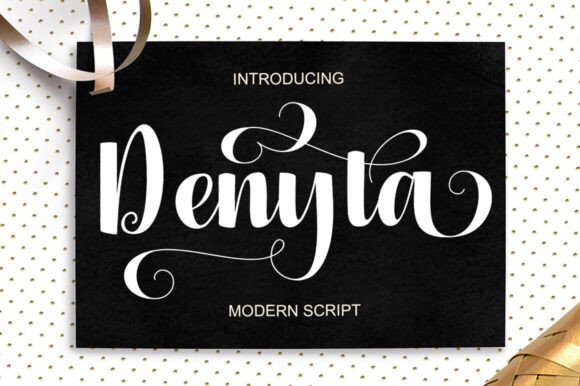
What immediately sets Denyta apart is its irregular baseline. Unlike rigid, uniform scripts, its letters dance slightly above and below an imaginary line, mimicking the organic flow of real ink on paper. This subtle imperfection is its greatest strength, giving text a dynamic, living quality. The style is decidedly modern and feminine, characterized by elegant swashes and a balanced weight that feels both delicate and readable. It’s a premium font designed not just to be seen, but to evoke a specific mood—one of sophistication, creativity, and approachable elegance.
But the beauty of Denyta isn't just skin deep. It ships with a robust set of OpenType features that empower designers to customize their work. The inclusion of initial and terminal letters means you can craft headlines with beautiful starting and ending flourishes. Alternate characters allow you to swap out certain letters to avoid repetition or to find the perfect stylistic fit for a word. Combined with multiple language support, these features transform Denyta from a static design element into a versatile creative tool. It’s built for projects where detail matters, ensuring your text feels bespoke rather than generic.
From Brand Identity to Social Media Graphics
Let's talk real-world application. Where does a script font like this actually shine? The answer is surprisingly broad, rooted in its ability to convey personality quickly.
For branding and logo design, Denyta can become the cornerstone of a brand identity for businesses that want to project creativity, warmth, and individuality. Think of a boutique florist, a custom stationery shop, a wellness coach, or a artisanal bakery. The font’s handwritten quality feels authentic and trustworthy, helping to build an immediate emotional connection with the audience. Pair it with a clean sans serif font for body text, and you have a timeless yet trendy typographic system.
In packaging design, it adds a handcrafted, premium feel. Imagine it on the label of a homemade candle, a organic skincare line, or a gourmet chocolate box. It tells the customer that care and artistry went into the product. Similarly, for print materials like wedding invitations, thank you cards, and greeting cards, Denyta’s elegance is a natural fit. Its irregular baseline gives these pieces a bespoke, calligraphic look without the cost of a human calligrapher.
Digital applications are just as potent. For social media graphics, blog headers, and website design, a striking script can stop the scroll. Use Denyta for Instagram quotes, Pinterest pins, or the headline of a blog post about lifestyle, design, or travel. It adds visual interest and a strong stylistic voice to your digital products and marketing assets. However, a word of practical advice: script fonts, especially those with elaborate swashes, are best reserved for headlines, logos, and short bursts of text. Their readability can diminish in long paragraphs, so always prioritize your reader’s experience.
Practical Typography: Pairing and Professionalism
Choosing the right font is only half the battle; using it effectively is what separates good design from great design. Denyta is a display font at heart, meaning it’s designed to attract attention at larger sizes. Its role is to headline, to accent, and to define the mood. The supporting role—body copy, product descriptions, lengthy information—should be handled by a highly legible serif or sans serif typeface.
A classic and foolproof font pairing strategy is to match Denyta with a simple, geometric sans serif like Montserrat or Lato. The contrast between the expressive, flowing script and the clean, neutral sans serif creates visual hierarchy and ensures your entire layout remains balanced and professional. Always test your pairings at the actual sizes they will be used. What looks elegant on a 40-inch monitor might become an unreadable scribble on a mobile phone screen. This step is non-negotiable for web design and social media graphics, where viewing contexts vary wildly.
Furthermore, when you download Denyta, take the time to explore the full font family. Often, these creative fonts come with multiple styles—perhaps a regular weight, a bold, or a italic variant. Understanding the full toolkit at your disposal allows for more nuanced and cohesive editorial design and layout work. And, crucially, always verify the licensing. For any commercial project—whether it’s a client’s logo, merchandise for sale, or a marketing campaign—you must ensure you have the proper commercial font license. This protects both you and the font designer, and is a hallmark of professional practice.
Final Thoughts on Crafting with Denyta
In the end, Denyta is more than just a collection of glyphs. It’s a stylistic statement. It offers a way to inject a human, artistic sensibility into digital and print projects, helping creators and businesses stand out in a landscape often dominated by sterile, overused typefaces. Its value lies in its ability to enhance visual consistency, strengthen brand recognition, and boost audience engagement through its distinctive charm.
Whether you’re a graphic designer crafting a new brand identity, a small business owner designing your own packaging, or a content creator looking for a signature style for your digital products, this modern typography choice provides a powerful blend of form and function. It reminds us that the tools we choose to communicate with are themselves a form of communication. By selecting a typeface with as much personality and versatility as Denyta, you’re not just choosing a font—you’re choosing a voice for your project.