Dear Youna: The Handwritten Font That Feels Like Home
There’s a certain magic in a handwritten note—the slight imperfections, the gentle curves, the unmistakable warmth of human touch. In a world saturated with crisp digital text, that organic quality stands out, creating an immediate sense of intimacy and authenticity. This is the feeling captured and perfected in the Dear Youna typeface. It’s more than just a collection of letters; it’s a design asset built to convey softness, personality, and a heartfelt connection, making it a powerful tool for anyone looking to add a genuine, personal layer to their visual communication.
Understanding the Visual Personality of Dear Youna
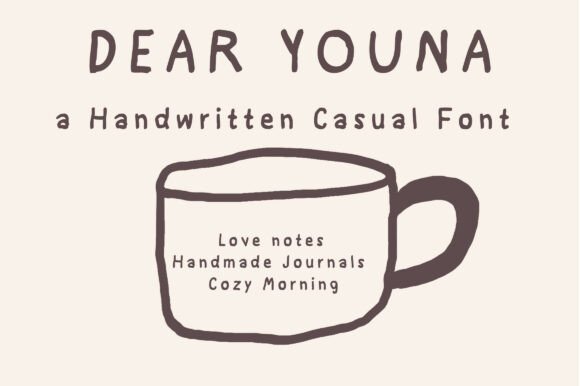
At its core, Dear Youna is a cozy handwritten font characterized by its natural, soft, and slightly playful aesthetic. Each letterform was carefully hand-drawn, resulting in a script font that avoids the rigid, mechanical feel of many digital typefaces. The strokes are smooth yet have a subtle, human irregularity that gives the text life and movement. This makes it an exceptional display font for headlines, logos, and short-form text where you want to inject emotion and approachability. Unlike a formal serif font or a stark sans serif font, Dear Youna’s personality is inherently friendly, creative, and inviting.
This premium font shines brightest when used intentionally. Its design style is rooted in modern typography trends that favor authenticity and handcrafted elements. For designers and brand strategists, understanding this personality is key. It’s not the right choice for a legal contract or a technical manual, but it’s perfect for projects where you want to evoke comfort, creativity, and a personal touch. The visual characteristics—its gentle baseline, consistent letter connections, and balanced weight—ensure it remains highly readable for its intended applications, bridging the gap between artistic expression and functional design.
Practical Applications: Where Dear Youna Truly Connects
The true test of any creative font lies in its versatility and real-world application. Dear Youna excels across a spectrum of projects, particularly those aiming for a cozy lifestyle or artisanal feel. For small business owners and entrepreneurs, this typeface can become a cornerstone of brand identity.
- Branding & Logo Design: Imagine a boutique bakery, a handmade jewelry shop, or a wellness studio. Using Dear Youna in their logo or primary branding materials instantly communicates a hands-on, caring ethos. It pairs beautifully with minimalist designs, clean sans serif companions, and pastel color palettes, creating a cohesive and memorable visual identity.
- Packaging Design: On product packaging, this handwritten font transforms a simple label into a story. It suggests the product inside was made with care, perfect for artisanal goods, skincare, or gourmet treats. It helps your product stand out on the shelf by feeling more personal and less mass-produced.
- Social Media & Digital Content: For content creators and marketers, Dear Youna is invaluable for crafting engaging social media graphics. Use it for Instagram quotes, story highlights, promotional banners, or video thumbnails. Its warmth increases relatability and can boost audience engagement by making your content feel less like an advertisement and more like a conversation.
- Print Materials & Invitations: The font is ideal for greeting cards, wedding invitations, thank-you notes, and posters. It adds a layer of sentiment that standard fonts lack. Similarly, in editorial design for magazines or blogs, it can be used for pull quotes or section headers to break up text and add visual interest.
- Digital Products & Web Design: Bloggers and creators of digital products (like planners, worksheets, or e-books) can use Dear Youna to style titles and key sections, making their products feel more curated and valuable. On a website, it can be used sparingly for headlines or call-to-action phrases to guide the visitor’s eye with a friendly touch.
Strategic Font Pairing and Readability Considerations
Integrating a script font like Dear Youna into a project requires a strategic approach to font pairing and readability. The goal is to let its personality shine without compromising clarity. A general rule in modern typography is to pair a decorative display font with a more neutral, highly legible body font. For Dear Youna, this often means combining it with a clean sans serif like Lato, Open Sans, or Montserrat for paragraphs of text. This contrast ensures the handwritten headlines pop while the body copy remains easy to read.
Always consider the context. For a logo, Dear Youna might be the star. For a website’s main navigation, a simpler sans serif would be more appropriate. Test your pairings at different sizes and on various backgrounds. Does the handwritten text remain legible on a busy photo? Is the contrast sufficient for accessibility? Pay attention to the included font styles—does the family offer a bold or italic version that can provide hierarchy? Understanding these nuances will help you use this design asset to its full potential, enhancing visual consistency and professional presentation rather than detracting from it.
Making It Your Own: Licensing and Final Thoughts
Before diving into a project, it’s crucial to review the licensing terms for any commercial font. Dear Youna, as a premium font, typically comes with a license that outlines permitted uses—whether for a single client, unlimited projects, or specific digital/print applications. Respecting the font creator’s work by adhering to the license is a fundamental part of professional practice. This ensures you can use the typeface confidently in your marketing assets, merchandise, or client work without legal concerns.
Ultimately, choosing a typeface is about matching a tool to a vision. Dear Youna isn’t just another script font; it’s a vehicle for storytelling. It’s for the designer who wants to add a human element, the entrepreneur building a brand with soul, and the creator seeking to foster a genuine connection with their audience. By thoughtfully applying its cozy, handwritten charm, you can elevate your work from simply being seen to being felt, making every project a little more warm and heartfelt.