Choco Bubble: The Font That Brings Joy to Your Creative Projects
There’s a certain magic in a design that feels instantly approachable—the kind that makes you smile before you’ve even read the words. That’s the feeling you get when you first encounter a font like Choco Bubble. It’s more than just a typeface; it’s a burst of personality, a tool that can transform a standard layout into something memorable and engaging. For designers, entrepreneurs, and creators, finding a font that carries this kind of emotional weight is like striking gold. It’s the difference between blending in and making a genuine connection with your audience.
Understanding the Visual Appeal of This Playful Typeface
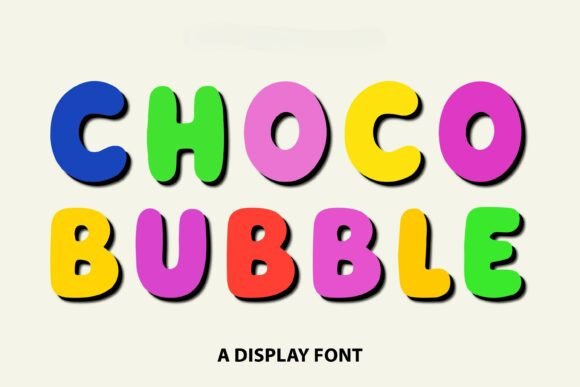
At its core, Choco Bubble is a display font, meaning it’s crafted for impact and readability at larger sizes. Its character is defined by soft, rounded edges and a generous, inflated form that evokes a sense of warmth and friendliness. Unlike sharp, geometric sans serif fonts or traditional serif fonts, this creative font feels organic and approachable. The letterforms have a subtle, almost handcrafted quality that avoids looking sterile or overly corporate. This makes it a powerful asset for projects where you want to convey joy, creativity, and authenticity. Think of it as the typographic equivalent of a friendly handshake—it immediately sets a positive tone.
The true strength of a premium font like this lies in its versatility. It’s not just about one bold style. A well-crafted family will often include variations—perhaps a solid weight, an outline, or a shadow effect—that allow you to create depth and hierarchy within your designs. This variety is crucial for maintaining visual consistency across a brand identity, ensuring that your logotype, headlines, and supporting text all feel part of the same cohesive family, even when serving different functions.
From Logotypes to Packaging: Where Choco Bubble Truly Shines
The applications for a vibrant, uplifting font are incredibly broad. Its personality makes it a natural fit for industries and projects that thrive on energy and connection.
For branding and logo design, it can be a game-changer. A children’s boutique, a trendy dessert shop, a creative studio, or a lifestyle brand for a younger demographic can use it to establish an immediate, recognizable identity. It’s not just about spelling out a name; it’s about embedding a feeling of fun and approachability into the brand’s very foundation. When used in a logo, it becomes the cornerstone of brand recognition.
In packaging design, this typeface can make a product leap off the shelf. Imagine it on a box of artisanal cookies, a bag of colorful craft supplies, or a label for a playful beverage. It communicates the product’s character at a glance, promising a delightful experience before the package is even opened. This is where modern typography moves beyond mere information and becomes a key part of the user experience.
The digital realm is another perfect stage. Social media graphics and web design demand attention in a crowded space. Using Choco Bubble for Instagram stories, YouTube thumbnails, or website hero sections can instantly boost audience engagement. Its readability on screen makes it excellent for blog headers or promotional banners, breaking the monotony of standard web-safe fonts and giving your content a distinct voice. It pairs surprisingly well with a clean, neutral script font or handwritten font for a balanced, dynamic look.
Beyond the screen, its charm translates beautifully to print. Think posters for community events, flyers for workshops, or editorial design for magazine features aimed at a creative audience. It can add a much-needed splash of personality to print materials that might otherwise feel dry or overly formal. For personal projects, it’s the perfect choice for wedding invitations, birthday cards, or scrapbooking, adding that sprinkle of whimsy that makes keepsakes special.
Making It Work: Practical Tips for Pairing and Application
While its playful nature is its biggest asset, using a bold display font effectively requires a thoughtful approach. The goal is to let its personality enhance your message, not overwhelm it.
First, consider readability. This font is a star in headlines, logos, and short bursts of text. For longer paragraphs or body copy, you’ll want to pair it with a highly legible sans serif font or a simple serif font. This creates a clear visual hierarchy: Choco Bubble grabs attention for key phrases, while the companion font ensures detailed information is easy to digest. This practice of font pairing is fundamental to professional typography.
Second, align the font with your project’s core message. Ask yourself: Does this playful, rounded style genuinely reflect my brand’s values and my audience’s expectations? It’s an excellent fit for brands that are youthful, creative, friendly, or celebratory. It might be less suitable for a law firm or a luxury watch brand seeking a tone of severe prestige. Matching typography to project goals is about authenticity, not just aesthetics.
Always test your chosen font style in context. View it at the size it will be used, on the actual medium—whether that’s a mobile screen, a printed business card, or a product label. Check the spacing and ensure it harmonizes with other design elements like colors and imagery. Many design assets come with sample layouts or mockups that can help you visualize the final result.
Finally, a crucial step for any commercial project: review the licensing. Ensure the font license you acquire covers your intended use, whether it’s for a client’s brand identity, digital products for sale, or marketing assets. A reputable commercial font provider will make these terms clear, allowing you to use your new creative font with confidence and peace of mind.
In the end, choosing a typeface like Choco Bubble is about embracing a specific mood. It’s a deliberate choice to infuse your work with optimism and character. When used thoughtfully, it doesn’t just display words—it communicates a feeling, builds a connection, and helps tell a more compelling visual story. That’s the transformative power of finding the right tool for your creative vision.