Achieving Quiet Luxury: The Art of Script Project Typography
There is a distinct challenge in modern design: how do you create something that feels deeply personal and human without sacrificing the sharp, professional edge required by the market? We often fall into the trap of thinking that "warmth" requires chaos and "professionalism" requires rigid, cold geometry. However, the most compelling visual identities often exist in the space between. They utilize a visual language that suggests a human touch but executes it with the precision of a master craftsman. This is the exact territory occupied by the Script Project font. It is a typeface that does not shout; it whispers. It does not scratch; it glides. For the designer, entrepreneur, or creative looking to bridge the gap between organic warmth and intellectual minimalism, understanding this specific style of typography is the first step toward creating something truly enduring.
The "Smart Handwritten" Aesthetic
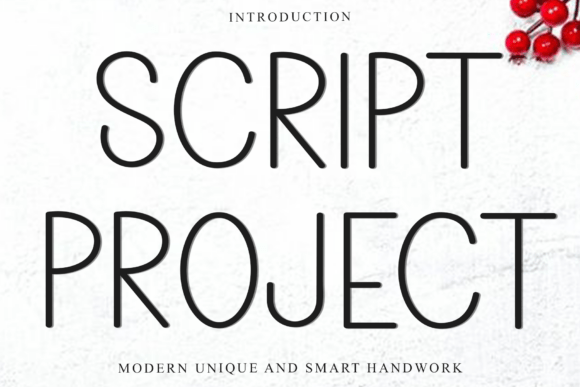
When we look at the landscape of typefaces, we see a massive divide. On one side, you have the chaotic, energetic brush scripts that mimic quick notes or artistic flourishes. On the other, you have the rigid, industrial sans-serifs that dominate the tech and corporate worlds. Script Project positions itself deliberately in the center, offering what can best be described as "smart handwriting."
The defining characteristic of this typeface is its consistent stroke weight and elongated proportions. Unlike a traditional cursive font where the loops might be tight and the slant aggressive, Script Project stands tall and composed. It brings to mind the handwriting of an architect or a surgeon—neat, legible, and deliberate. This visual stability is crucial for brands that want to appear approachable but authoritative. If you are building a brand identity for a sustainable fashion house or a high-end consultancy, you need a font that conveys "care" without looking "messy." This modern typography achieves that balance effortlessly.
Moreover, the spacing and kerning in a font like this are designed to breathe. It doesn't crowd the page. Instead, it utilizes the white space around it to create a sense of calm and order. This is the essence of the "quiet luxury" aesthetic—a design philosophy that relies on the quality of materials and the purity of form rather than loud logos or bright colors to communicate value.
Practical Applications: From Screen to Print
A typeface is only as good as its utility. While a decorative display font might look beautiful in a poster, it often fails in practical applications like body text or mobile interfaces. Script Project, however, is designed with versatility in mind. Its clean lines make it surprisingly legible at smaller sizes, opening up a wide range of uses for your creative projects.
Consider the world of packaging design. For a product line—perhaps artisanal skincare or organic teas—the packaging is the first physical interaction a customer has with the brand. Using a heavy, black-letter gothic font might make the product feel intimidating. Using a standard serif might make it feel generic. Script Project allows you to add a personal, "handcrafted" label feel while maintaining the high-end look required for boutique retail. It works beautifully for the product name or a specific call-out feature, such as "Limited Edition" or "Small Batch."
In the digital realm, the font shines equally bright. For web design, it serves as an excellent choice for headers or pull quotes. It breaks up the monotony of standard sans-serif body text, adding a layer of visual interest that keeps the reader engaged. Because it is a premium font with high contrast and clear letterforms, it renders well on high-resolution screens, avoiding the pixelation or blurriness that can plague lower-quality script fonts.
Furthermore, think about social media graphics. In a crowded Instagram feed, users scroll quickly. You have a split second to arrest their attention. A minimalist design featuring a monochrome color palette with a headline in Script Project can stop the scroll. It signals sophistication and a "lifestyle" quality that resonates with audiences looking for inspiration in fashion, travel, or interior design.
Strategic Branding and Logo Design
Choosing a font for a logo is one of the most high-stakes decisions in branding. The typeface becomes the face of the company; it will appear on business cards, websites, merchandise, and storefronts. Script Project is an ideal solution for brands that fall into the "lifestyle" or "creative" sectors.
Imagine a minimalist wedding stationery business. The clients are looking for elegance and romance, but they also want something modern—not the "Victorian scrapbook" look of the past. Script Project provides that contemporary edge. It allows for the creation of a logo that feels intimate and bespoke, perfectly aligning with the emotional nature of the wedding industry.
For business cards, legibility is paramount. A common mistake in design is choosing a script font that looks beautiful in large headlines but becomes an unreadable scribble when printed at 10pt on a 3.5-inch card. Script Project’s elongated, open letterforms solve this problem. You can confidently use it for your name or title, ensuring that your contact information is not only stylish but actually functional.
It is also worth noting the psychological impact of this style. In marketing, typography acts as a cue for the brain. A bold, blocky font suggests stability and strength (think construction or finance). A thin, sophisticated handwritten font like Script Project suggests refinement, intellect, and attention to detail. It tells your audience, "We care about the little things." For a Michelin-star restaurant or a high-end editorial layout, this message is exactly what you want to convey.
Pairing and Implementation: The Designer’s Workflow
Adopting a new typeface into your design toolkit requires strategy. You cannot simply drop a new font into an old template and expect it to work. To get the most out of Script Project, you need to consider the ecosystem of your typography.
The most effective way to use a "smart handwritten" font is to pair it with a neutral partner. Because Script Project has a distinct personality, it needs a counterpart that can support it without competing for attention.
- Script + Sans Serif: This is a classic, foolproof combination. Pairing Script Project with a clean, geometric sans-serif (like Montserrat, Poppins, or a similar open-source option) creates a beautiful hierarchy. Use the script for headers or accent words to add warmth, and the sans-serif for body text to ensure maximum readability.
- Script + Serif: For a more editorial, high-fashion look, try pairing it with a modern serif font (like a Didot or a Bodoni style). This works exceptionally well for magazine layouts or luxury brand lookbooks, creating a vibe that is both traditional and avant-garde.
When it comes to color, Script Project thrives in simplicity. A monochrome palette—black text on white, or white text on a dark charcoal background—allows the nuances of the stroke weight to stand out. Overloading this font with bright, neon colors can undermine its sophistication. Think of the font as a tailored suit; it looks best in classic, neutral tones.
From a technical standpoint, always check the included styles. A robust font family often includes alternates or ligatures—special character variations that allow letters to connect more naturally or offer a different stylistic flair. Reviewing these assets can help you customize the look further, ensuring that your design feels unique to your brand.
Ensuring Commercial Viability and Versatility
For the entrepreneur or small business owner, the practicality of a font extends beyond aesthetics into licensing and compatibility. You need a design asset that works across all the platforms you use, from your WordPress site to your local print shop.
Script Project is designed to be compatible with various applications, including Windows and open-source platforms. This cross-compatibility ensures that your visual identity remains consistent whether you are designing a menu in Adobe Illustrator, creating a presentation in Keynote, or drafting a digital journal in a third-party app.
However, a word of advice on licensing: always ensure you have the correct commercial license for your usage. If you are a hobbyist making invitations for friends, a personal license might suffice. But if you are selling products with the font embedded, such as merchandise or digital templates, or using it for a client's brand identity, you generally need a commercial license. Treating your typography as a professional asset—investing in the right license—is a hallmark of a mature creative business.
Ultimately, the goal of any design element is to facilitate communication. Script Project does this by stripping away the noise. It doesn't try to be the loudest voice in the room; it tries to be the most articulate. Whether you are designing a delicate watermark for your photography portfolio or crafting the brand identity for a new sustainable startup, this typeface offers the modern, unique character needed to bridge the gap between human connection and professional excellence. It proves that in the world of design, you don't need to be bold to be heard; you just need to be precise.